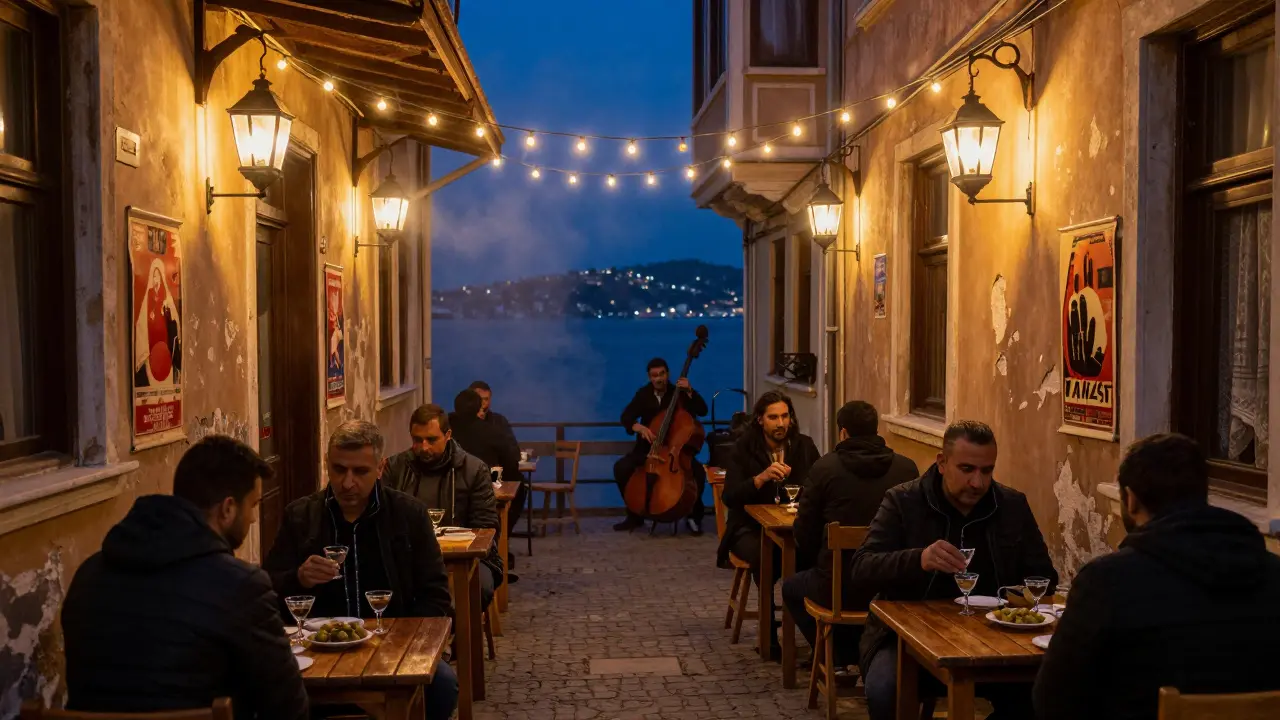
When the sun sets over the Bosphorus, Istanbul doesn’t sleep-it transforms. The city’s nighttime energy is unlike anywhere else: a mix of ancient alleyways lit by lanterns, bass-thumping clubs in converted warehouses, and rooftop bars where you can sip raki while watching minarets glow against the stars. This isn’t just a party scene. It’s a cultural rhythm that’s been beating for centuries, and now it’s more alive than ever.
Where the Locals Go After Midnight
Tourist maps won’t tell you about the hidden courtyard bars in Kadıköy, where students and artists gather around wooden tables with small glasses of rakı and bowls of olives. Places like Bar 111 in Moda don’t have signs on the street-you find them by following the laughter. The music is usually jazz or Turkish indie, not EDM. The vibe? Relaxed, real, and unpolished. Locals know these spots because they’ve been coming here since college. You won’t find cover charges or velvet ropes. Just good conversation and the occasional oud player drifting in from the next room.The Club Scene: From Beyoğlu to Karaköy
If you’re looking for dancing until sunrise, head to Beyoğlu’s İstiklal Avenue. But skip the neon-lit tourist traps. Instead, walk down the side streets. Reina on the Bosphorus is the city’s most famous club-think celebrity sightings, live DJs, and a crowd that dresses up. It’s expensive, but the view of the water at midnight is worth it. For something grittier, try Chill Out in Karaköy. It’s a warehouse space with industrial lighting, underground techno, and a crowd that doesn’t care who you are. Entry is cash-only, and the bouncer might ask you what kind of music you like before letting you in. That’s not a gatekeeper-it’s a filter.Rooftop Bars with a View
Istanbul’s skyline is best appreciated from above. 360 Istanbul on the 17th floor of the Swissotel offers 360-degree views of the Golden Horn and Hagia Sophia. The cocktails are pricey, but the sunset over the mosques is free. For a quieter option, try Bar 34 in Nişantaşı. It’s not loud, not crowded, and the mixologists know how to make a proper gin and tonic. Bring a date. Bring a book. Bring nothing at all. The city doesn’t judge.Traditional Night Spots: Meze, Music, and Mekhane
Don’t leave without experiencing a mekhane. These are traditional Turkish taverns where live music-often saz or ney-plays in the background while you eat meze and drink raki diluted with water. Asitane in Edirnekapı serves Ottoman-era dishes and plays classical Turkish music every night. İstanbul Mekhanesi in Sultanahmet is more tourist-friendly, but the live saz player is authentic. The key? Order the raki with water. Watch it turn milky white. Sip slowly. Let the music sink in. This isn’t nightlife-it’s heritage.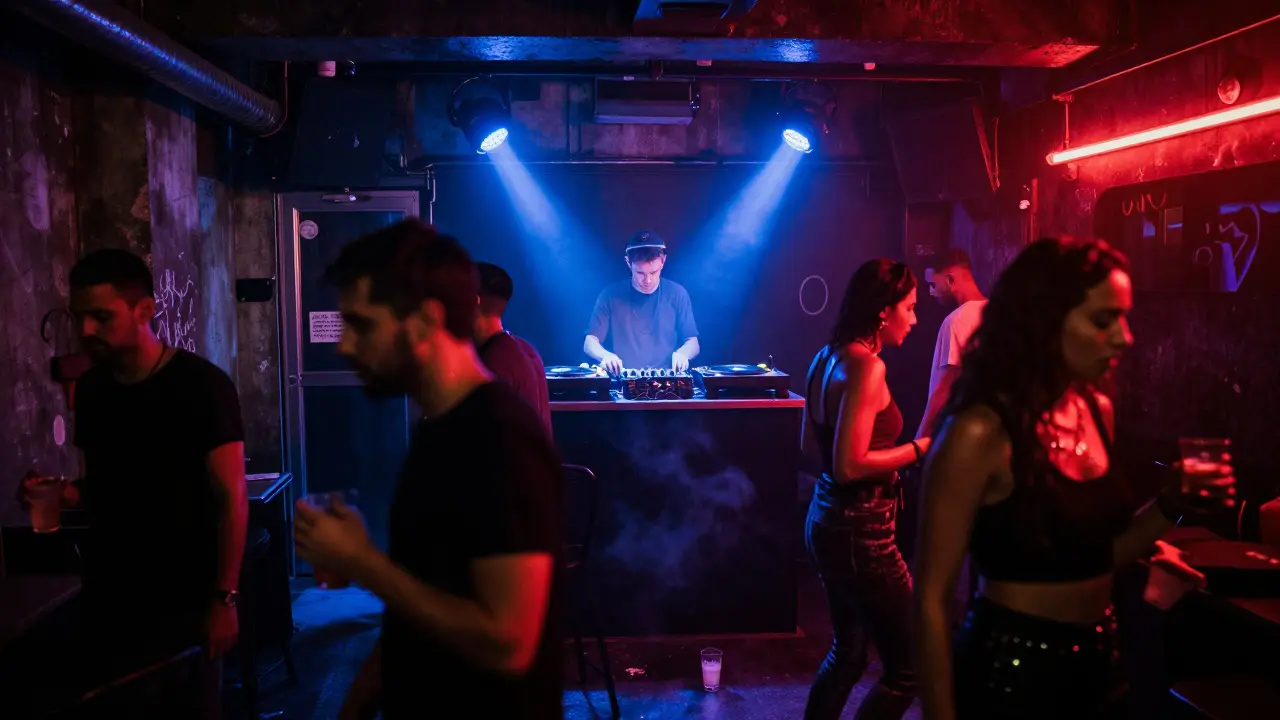
Street Food After Midnight
The best meals in Istanbul happen after 1 a.m. İskender Kebap in Bursa Street, near Taksim, stays open until 4 a.m. and serves the most tender lamb slices over toasted bread with tomato sauce and melted butter. For something lighter, try Balık Ekmek boats along the Eminönü docks. Grilled fish sandwiches, fresh lemon, and a breeze off the Bosphorus. You’ll find locals eating here at 2 a.m. after clubbing. No one rushes. No one checks their phone. Just fish, bread, and the sound of waves.What to Avoid
Not every place with a neon sign is worth your time. Avoid clubs that advertise "Turkish girls dancing"-they’re scams. Stay away from overly aggressive touts near the Galata Tower. They’ll drag you into a "live music" bar that charges $50 for a beer. Also, don’t drink tap water, even if your hotel says it’s safe. Stick to bottled. And never, ever accept a free drink from a stranger. It’s not hospitality-it’s a setup.Getting Around After Hours
The metro runs until midnight. After that, your best bet is the night bus network. Look for buses labeled "N"-like N1, N2, N3. They run every 20-30 minutes and cover the main nightlife zones. Taxis are plentiful, but use BiTaksi or Uber. Avoid hailing cabs on the street-you’ll pay double. And if you’re heading to the Asian side, take the ferry. The night ride across the Bosphorus is quiet, magical, and costs less than a coffee.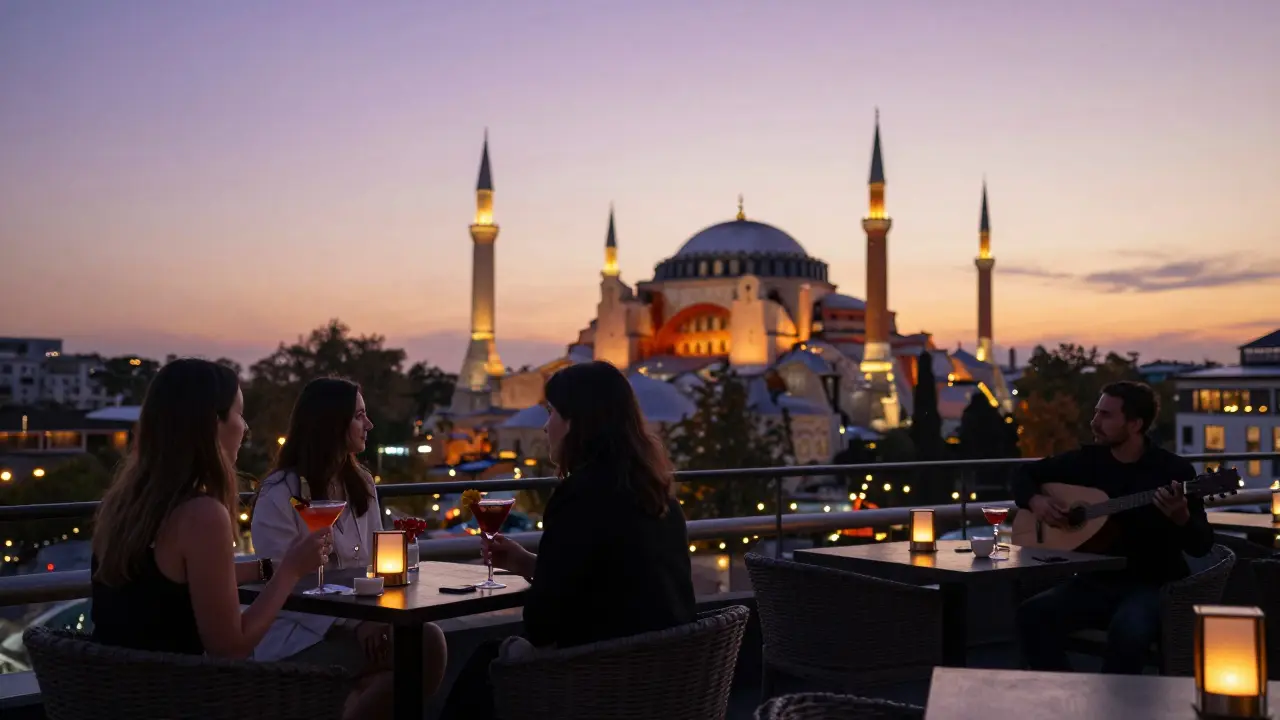
When to Go
Weekends are packed, especially Friday and Saturday. If you want space to breathe, go on a Wednesday or Thursday. The clubs are still open, the music is still good, and you won’t be shoulder-to-shoulder with a hundred strangers. Summer (June-August) is the peak season. The weather is warm, the rooftop bars are full, and the ferry rides feel like floating under stars. Winter nights are quieter, but that’s when the real locals come out. The clubs are cozier, the drinks are cheaper, and the vibe is more intimate.What to Wear
Istanbul doesn’t have a strict dress code, but it pays to look put together. No flip-flops in upscale spots. No tank tops in traditional mekhanes. Jeans and a nice shirt work everywhere. Women can wear whatever they want-no headscarf required-but covering shoulders in religious areas like Sultanahmet is polite. Men should skip shorts after dark unless they’re at the beach.Final Tip: Slow Down
Istanbul’s nightlife isn’t about checking off bars. It’s about lingering. Sitting. Listening. Letting the city move around you. One night, I ended up in a tiny backroom in Beyoğlu where an old man played the kemençe while three strangers sang along in perfect harmony. No one knew each other. No one cared. We just listened. That’s Istanbul after dark. Not loud. Not flashy. Just real.Is Istanbul nightlife safe for solo travelers?
Yes, Istanbul is generally safe for solo travelers at night, especially in well-lit, tourist-friendly areas like Beyoğlu, Karaköy, and the Bosphorus waterfront. Stick to busy streets, avoid isolated alleys after 2 a.m., and use ride-hailing apps instead of random taxis. Locals are usually helpful, but stay aware of your surroundings, especially if you’re drinking. Petty theft can happen in crowded spots, so keep your bag zipped and your phone secure.
What’s the legal drinking age in Istanbul?
The legal drinking age in Turkey is 18. You’ll be asked for ID at most bars and clubs, even if you look older. Bring your passport or a government-issued photo ID. Some places may be stricter and refuse entry if you look under 25, regardless of your actual age.
Are there any all-night venues in Istanbul?
Yes, but they’re rare. Reina often stays open until 5 a.m. on weekends, and some clubs like Chill Out and Kule 1895 may run until sunrise during festivals or holidays. Most places close by 3 a.m. However, street food stalls and 24-hour cafés like Karaköy Güllüoğlu stay open all night. If you’re still awake at 4 a.m., you’ll find people eating simit, drinking Turkish coffee, and talking about life.
Can I find English-speaking staff in Istanbul nightspots?
In tourist-heavy areas like İstiklal Avenue, Taksim, and the Bosphorus, most bartenders and club staff speak basic to fluent English. In local spots like Kadıköy or Fatih, fewer people speak English, but that’s part of the charm. Learn a few Turkish phrases like "Teşekkür ederim" (thank you) or "Bir su lütfen" (some water, please). Most locals appreciate the effort.
Is there a difference between nightlife on the European and Asian sides?
Definitely. The European side (Beyoğlu, Karaköy, Taksim) is louder, trendier, and more crowded with tourists. The Asian side (Kadıköy, Moda, Beşiktaş) is quieter, more local, and focused on music, art, and conversation. Clubs on the Asian side tend to be smaller and more experimental. If you want to see how Istanbul’s youth really lives, take the ferry to Kadıköy on a Friday night. It’s less polished, but more authentic.