Five years ago, Istanbul’s nightlife felt like a secret only locals and repeat visitors knew about. Now, it’s the talk of every traveler who’s been back since 2024. The city didn’t just upgrade its clubs-it rebuilt its entire after-dark identity. Gone are the days when you’d find the same three crowded rooftop bars and karaoke lounges. Today, Istanbul’s nightlife is a patchwork of hidden speakeasies, underground music dens, rooftop gardens with live jazz, and wine bars that feel like your friend’s basement-except the wine is from Thrace and the playlist is curated by a DJ who’s played in Berlin, Tokyo, and Buenos Aires.
Where the Old Meets the New: Karaköy’s Transformation
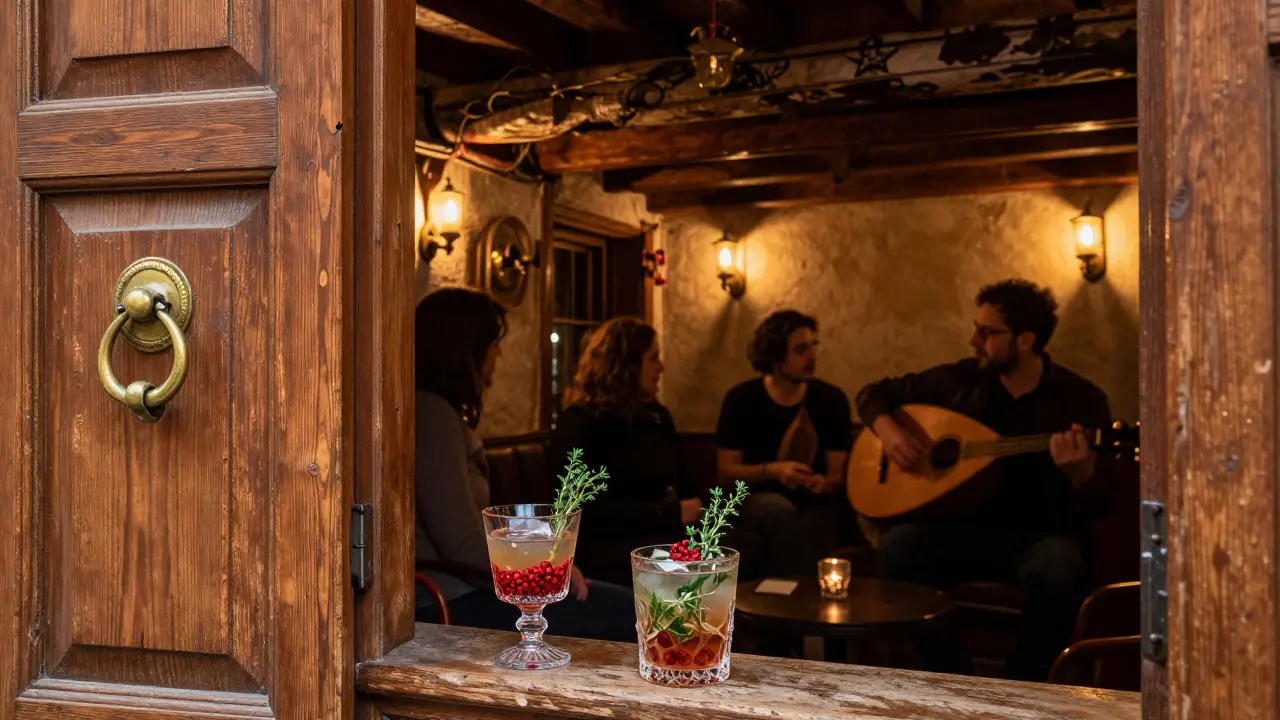
Karaköy used to be the place you passed through on your way to Beyoğlu. Now, it’s the heartbeat of Istanbul’s night scene. The old Ottoman warehouses along the Golden Horn have been turned into something entirely new: intimate venues that don’t feel like venues at all. Atelier, for example, sits inside a 19th-century textile factory. No neon signs. No bouncers. Just a wooden door with a single brass knocker. You ring it, and if the host knows your name-or your vibe-you’re in. Inside, you’ll find craft cocktails made with Turkish herbs like sumac and thyme, served in hand-blown glass. The music? Live oud mixed with lo-fi beats. No dance floor. Just people leaning against wooden beams, talking, laughing, sipping.
Down the street, Yeni Bar opened in late 2024 and quickly became the place where artists, writers, and tech founders unwind. It doesn’t serve alcohol until 9 p.m. Why? Because it’s designed for slow nights. You come for the natural wines from the Black Sea region, the charcuterie boards made with local cured meats, and the vinyl records spun by the owner, who used to run a record store in Kadıköy. There’s no cover charge. No dress code. Just a 1960s sofa, a bookshelf full of Turkish poetry, and a window that opens to the Bosphorus.
The Rooftop Revolution
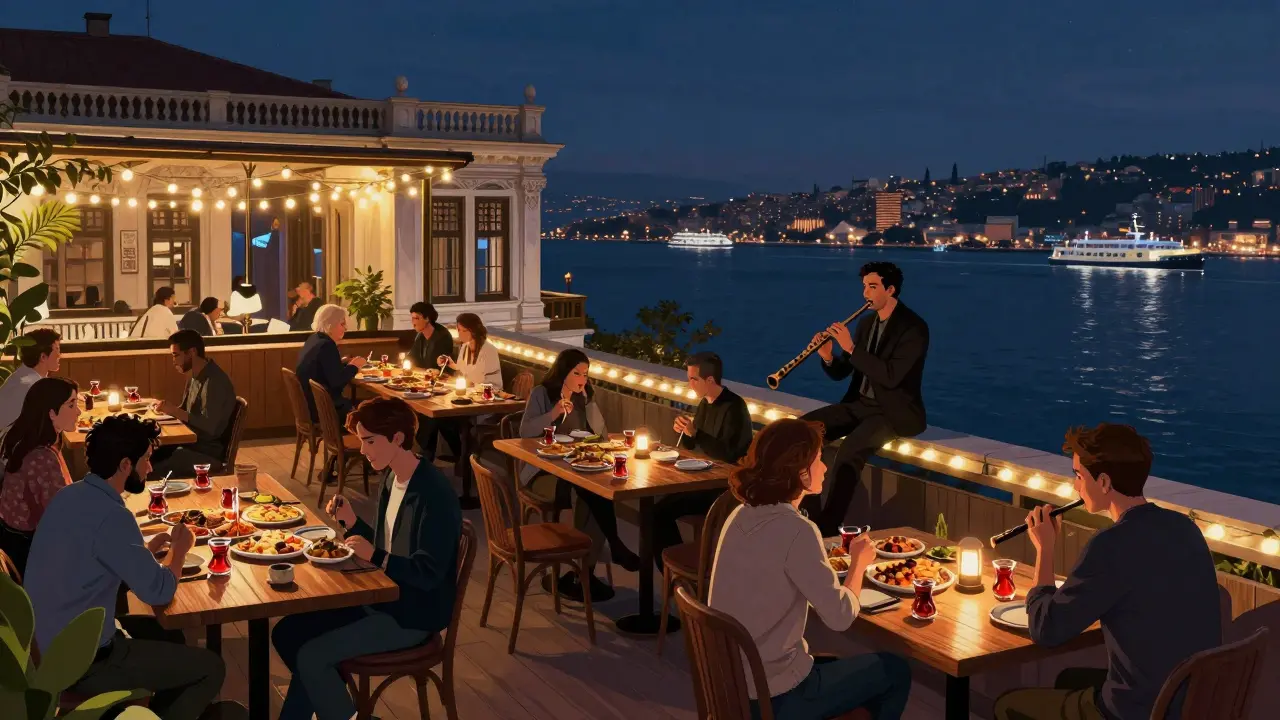
Rooftop bars in Istanbul used to mean loud music, expensive cocktails, and a view you had to fight for. Now, the new wave is quiet, curated, and focused on experience over spectacle. Çırağan Sky, perched above the historic Çırağan Palace, doesn’t even have a bar counter. Instead, you’re seated at long wooden tables with shared platters of meze and small-batch raki. The staff doesn’t rush you. They bring you a glass of rosehip tea if you’ve been sitting too long. At midnight, a single musician plays ney flute while the city lights below flicker like stars.
At Toplum, a rooftop garden in Beşiktaş, you can sit under olive trees and sip tea made from wild mountain herbs. It’s not a club. It’s not even a bar. It’s a living room with a view of the Bosphorus Bridge. The music? Ambient sounds of Istanbul at night-distant ferry horns, street vendors calling out, the rustle of leaves. You come here to breathe, not to dance.
Underground Beats: The New Music Hubs
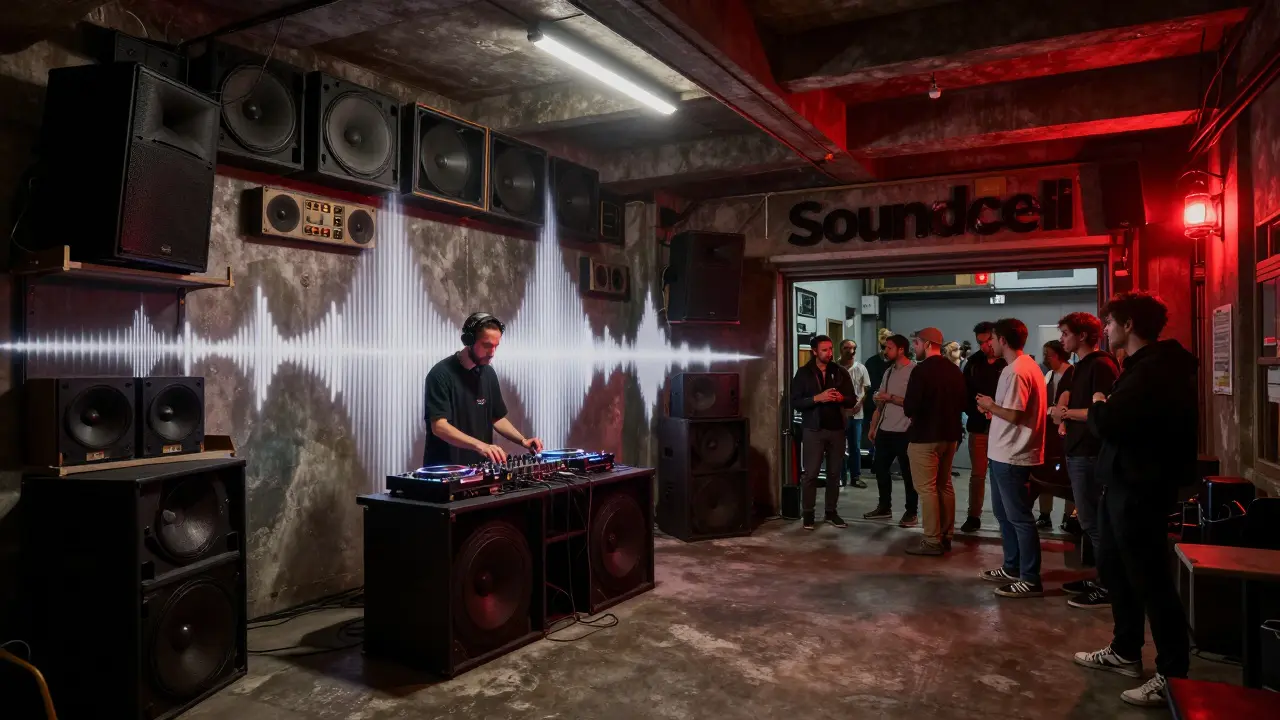
If you’re looking for bass, Istanbul has it. But not the kind you hear in tourist clubs. The real movement is happening in basements and abandoned factories. Soundcell, tucked under a car repair shop in Kadıköy, is the city’s most talked-about underground venue. It doesn’t advertise. You find it through word of mouth. The walls are lined with salvaged speaker parts. The floor is concrete. The sound system? Custom-built by a local engineer who spent three years tuning it to replicate the acoustics of a 1970s Berlin techno club. The DJs? Mostly Turkish producers blending traditional folk rhythms with industrial beats. One night, you might hear a duduk mixed with a 4/4 kick. The next, a bağlama looped over a dub bassline.
At Deniz, a tiny basement in Nişantaşı, you’ll find live experimental jazz every Friday. The musicians don’t play for tips-they play because they’re curious. One regular, a 72-year-old retired violinist, shows up every week with his own bow and plays along. No one records it. No one posts it. It’s just there, in the dark, for those who show up.
Wine, Not Whiskey: The Rise of Turkish Terroir
For years, Istanbul’s bars served imported whiskey and vodka. Now, the shelves are full of Turkish wine. Not the sweet, mass-produced kind from the 1990s. Real, small-batch wines from regions like Thrace, Cappadocia, and the Aegean coast. İçerik, a wine bar in Üsküdar, has over 80 labels on its list, all from independent producers. The owner, a former sommelier from Izmir, doesn’t just pour wine-she tells stories. She’ll tell you how a vineyard in the Black Sea mountains uses sheep manure as fertilizer, or how a winemaker in Cappadocia ages her wine in clay amphorae buried underground. You don’t order a bottle here. You ask for a tasting flight and let her guide you.
At Yerel, a wine and cheese bar in Galata, you can pair a glass of Narince from the Central Anatolian highlands with a slice of aged goat cheese made from milk of sheep that graze on wild thyme. No fancy glasses. No white tablecloths. Just a wooden counter, a chalkboard with the day’s selections, and a quiet hum of conversation.
What’s Missing? The Old Nightlife Is Still There
Don’t think the old spots disappeared. They just stopped being the only option. The legendary Karaköy Lokantası still serves late-night mezes until 3 a.m. The Asitane rooftop still has the best view of the Blue Mosque. And if you want to dance until sunrise to Turkish pop, Klub 1907 still plays the same hits it’s played since 2012. But now, you have choices. You can go from a quiet wine bar at 10 p.m., to a basement jazz session at midnight, to a rooftop garden at 2 a.m., and still be home before dawn.
The real shift isn’t about new venues. It’s about a new rhythm. Istanbul’s nightlife no longer feels like a party you’re invited to. It feels like a life you’re invited to live-for an hour, a night, a weekend. You don’t need to be famous. You don’t need to dress up. You just need to show up, sit down, and listen.
What’s the best time to visit Istanbul for nightlife?
The best months are April through June and September through November. The weather is mild, the crowds are smaller, and the venues are fully staffed after the winter break. July and August are hot and packed with tourists, while January and February are quiet-some spots close or reduce hours. Weekends are liveliest, but many new spots are open Tuesday through Thursday for locals.
Do I need to make reservations?
For the new hotspots like Atelier, Çırağan Sky, and Soundcell, yes-especially on weekends. You can usually book via Instagram DM or their websites. For casual spots like Yeni Bar or Yerel, walk-ins are fine, but arriving before 9 p.m. gives you the best seat. Don’t expect to just show up at 11 p.m. and get in anywhere popular.
Is Istanbul nightlife safe for solo travelers?
Absolutely. Most new venues are quiet, well-lit, and staffed by locals who know their regulars. Karaköy, Beyoğlu, and Kadıköy are especially safe at night. Avoid unmarked alleys in less touristy neighborhoods after midnight. Stick to places with visible entrances, good lighting, and a clear crowd. The vibe is more about conversation than chaos.
How much should I budget for a night out?
You can have a great night for under 500 Turkish lira ($15) if you stick to wine bars and casual spots. A cocktail at Atelier is about 200 lira. A tasting flight at İçerik is 180 lira. At Soundcell, entry is free, but drinks start at 120 lira. If you’re going upscale-like Çırağan Sky-expect 800-1,200 lira for drinks and small plates. Most places don’t take cards, so carry cash.
Are there any dress codes?
Most new spots have no dress code. Jeans, a nice shirt, or a simple dress are fine. You’ll see people in sneakers and coats. Only a few upscale rooftop venues like Çırağan Sky suggest avoiding shorts or flip-flops. But even then, it’s more about respect than rules. The vibe is relaxed, not formal.
What’s the best way to find these hidden spots?
Follow local Instagram accounts like @istanbul.nightlife, @yeni.mekanlar, or @turkish.wine.diary. They post real-time updates, not ads. Ask hotel staff who’ve been in Istanbul for more than five years-they know where the real scene is. Avoid travel blogs that list the same 10 spots from 2020. The best places aren’t on Google Maps yet.