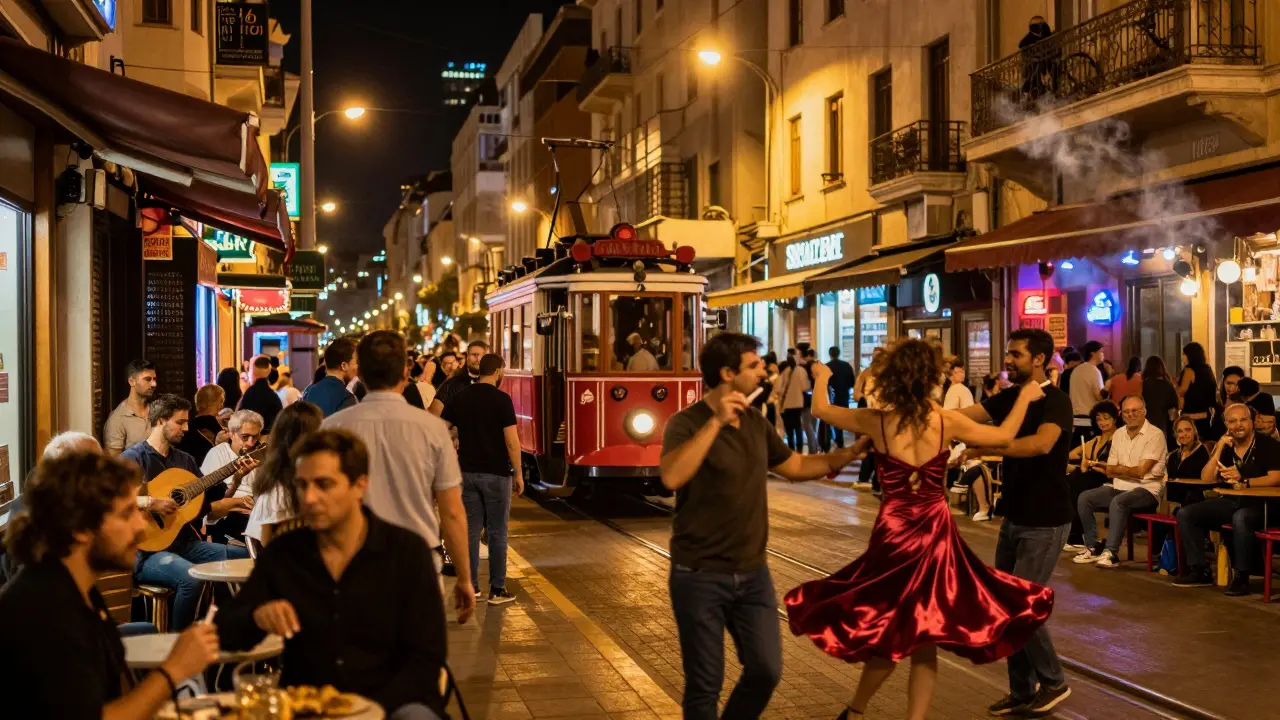
When the sun sets over the Bosphorus, Istanbul doesn’t just quiet down-it explodes. The city’s nightlife isn’t just a list of bars and clubs; it’s a living rhythm that pulses through alleyways, rooftop terraces, and hidden basements. You won’t find the same old club scene here. In Istanbul, every night has a different beat-whether it’s the haunting sound of ney flutes drifting from a traditional meyhane, the thump of bass echoing from a basement techno spot in Beyoğlu, or the swirl of dancers in silk dresses spinning under glittering chandeliers in Kadıköy.
Where the Night Begins: Beyoğlu and İstiklal Avenue
İstiklal Avenue is the heartbeat of Istanbul’s night. Walk down this pedestrian street after 9 PM and you’ll feel the energy shift. The old tram rattles past, but the real action is in the side streets. In Cihangir, tucked behind the main drag, you’ll find Istanbul’s most intimate live music spots. Jazz lovers gather at Yasemin Jazz Club, where local musicians blend Turkish folk melodies with smooth American jazz. No cover charge. Just a glass of raki and a stool near the stage.
For something louder, head to Karaköy Life or Bar 66. These places don’t just play music-they curate it. DJs spin everything from deep house to Turkish pop remixes, and the crowd? A mix of locals in designer clothes, backpackers with sunburned shoulders, and expats who’ve been here five years and still don’t know the rules. There are no rules, really. You dance when you feel it. You leave when you’re done.
The Secret Spots: Hidden Bars and Underground Clubs
Most tourists never find them. But locals know: the best nights happen in places without signs. In the back of a bookshop in Nişantaşı, there’s a door behind a curtain. Walk through and you’re in Bar 1919, a speakeasy-style lounge where cocktails are made with rosewater syrup and smoked sea salt. The bartender asks how you want your night to feel-mellow, wild, nostalgic-and crafts your drink accordingly.
In Karaköy, Uzun Masa is a long wooden table in a converted warehouse. No menu. No prices listed. You sit, order a bottle of local wine, and the host brings out small plates of meze that change every night. Someone starts playing the bağlama. Someone else joins in on percussion. By midnight, you’re dancing with strangers who feel like family.
And then there’s the underground techno scene. Clubs like Club 23 and La Vie don’t advertise online. You find them through word of mouth, Instagram DMs, or a friend’s whispered text: “Tonight. 2 AM. Behind the laundromat.” The music is raw. The lights are dim. The air smells like sweat and incense. This isn’t a party. It’s a ritual.
Dancing Through History: Traditional Turkish Night Entertainment
Not every night in Istanbul is about bass drops and neon lights. In the older districts like Eminönü and Fatih, you’ll find meyhanes-traditional Turkish taverns that have been serving food, drink, and music for over a century. At Asitane or Çiya Sofrası, the evening starts with meze: stuffed grape leaves, grilled eggplant, spiced lamb kebabs. Then, the music begins.
It’s not a DJ. It’s a live ensemble: oud, darbuka, kemençe, and a singer with a voice that cracks like old leather. They play fasıl-long, improvisational suites of Turkish classical music. People don’t just listen. They sway. They close their eyes. Some even cry. This isn’t entertainment. It’s memory. It’s heritage. It’s the sound of Istanbul remembering itself.
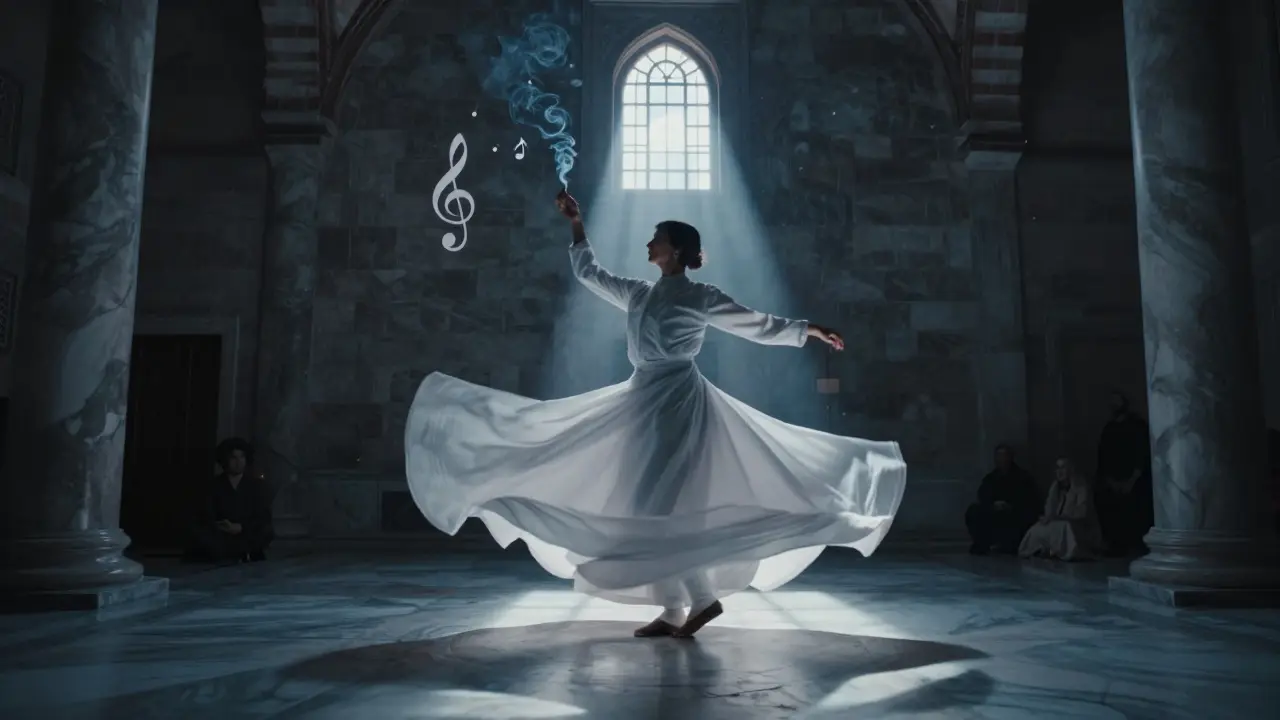
And then there’s the whirling dervishes. At the Galata Mevlevi Lodge, you can watch the Sufi ritual dance after dinner. The robes spin like white petals caught in wind. The music builds slowly. The dancers don’t look at the audience. They look inward. It’s not a show. It’s prayer. And if you sit quietly, you’ll feel something shift inside you.

The Female Experience: Safe, Powerful, and Unapologetic
Women in Istanbul don’t just go out at night-they own it. In 2025, the city’s female-led nightlife scene is stronger than ever. You’ll find all-women DJ collectives spinning at She Said in Nişantaşı, feminist poetry nights at Book & Bar in Kadıköy, and all-female belly dance troupes performing at Levha in Çukurcuma.
There’s no need to worry about safety. Most venues have female bouncers, well-lit entrances, and strict no-harassment policies. The culture has changed. A woman walking alone at 2 AM isn’t an anomaly-she’s normal. And if someone tries to make her feel otherwise? She’ll turn around, smile, and order another drink.
Drinks That Tell Stories
You can’t talk about Istanbul nightlife without talking about what’s in the glass. Raki is the national drink. It’s anise-flavored, served with ice and water, turning milky white as it dilutes. Locals sip it slowly, with meze, talking for hours. It’s not a shot. It’s a conversation starter.
But the real surprise? The craft cocktails. Istanbul’s bartenders are some of the best in the region. At Bar 1919, they use dried mulberries from the Black Sea coast. At Flora, they infuse gin with wild thyme from the Taurus Mountains. At Yasemin, the signature drink is called “Bosphorus Breeze”-gin, cucumber, mint, and a splash of pomegranate molasses. It tastes like the city: fresh, complex, slightly sweet, with a hint of salt.
When to Go and What to Wear
Friday and Saturday nights are packed. If you want space to move, go on a Wednesday or Thursday. Weekends are for tourists. Weekdays are for locals who know the real rhythm.
As for dress? There’s no strict code. In Beyoğlu, you’ll see everything from ripped jeans to silk dresses. In the meyhanes, casual is fine. In the upscale clubs, men wear collared shirts. Women wear heels or ankle boots. But no one will stop you if you show up in sneakers. Istanbul doesn’t care what you wear. It cares if you’re there-fully, joyfully, unapologetically.
Why This Isn’t Just a Night Out
Istanbul’s nightlife isn’t about checking off a list of clubs. It’s about connection. It’s about finding yourself in a crowd of strangers who all know the same song. It’s about dancing until your feet hurt, then sitting on a bench with a stranger who tells you about their childhood in Erzurum. It’s about realizing, at 3 AM, that this city doesn’t sleep-it transforms.
You won’t find this kind of energy in London, Paris, or New York. Those cities have nightlife. Istanbul has soul.
Is Istanbul nightlife safe for solo travelers?
Yes, especially in the main nightlife districts like Beyoğlu, Karaköy, and Kadıköy. Most clubs and bars have security, good lighting, and clear no-harassment policies. Solo travelers-men and women alike-frequent these areas regularly. Avoid isolated streets after 2 AM, but stick to the well-lit, crowded areas and you’ll be fine.
What’s the best time to experience traditional Turkish music?
Head to a meyhane like Asitane or Çiya Sofrası after 8 PM on weekends. Live fasıl performances usually start around 9:30 PM and last until midnight. Weeknights are quieter, but you might catch a smaller ensemble playing in the corner. Ask the staff when the music begins-they’ll point you to the right table.
Do I need to make reservations for clubs in Istanbul?
For popular spots like Karaköy Life or La Vie, yes-especially on weekends. For underground clubs, no. They rarely take bookings, and the vibe is better when you show up without a plan. If you’re going to a high-end venue, book a table via their Instagram DM or website. Most places don’t charge cover, but a reservation guarantees you a spot.
Can I drink alcohol in Istanbul if I’m not Muslim?
Absolutely. Turkey is a secular country, and alcohol is widely available in restaurants, bars, and shops. Raki, wine, and beer are common. You’ll see locals drinking freely. The only restriction is that you can’t buy alcohol after midnight in convenience stores-but bars and clubs serve it all night.
Are there any nightlife areas to avoid?
Stick to the well-known districts: Beyoğlu, Karaköy, Kadıköy, Nişantaşı, and Çukurcuma. Avoid the industrial zones near the docks or the quiet residential streets far from İstiklal. If you’re unsure, ask your hotel or a local. Most areas are safe, but like any big city, some spots are better left for daylight.
What’s the average cost for a night out in Istanbul?
A meal with drinks at a meyhane costs about 200-400 Turkish lira ($6-12 USD). Cocktails at trendy bars run 300-600 TL ($9-18 USD). Club entry is usually free, though some upscale spots charge 100-200 TL ($3-6 USD). A night out for two, including food, drinks, and transport, will cost around 1,000-2,000 TL ($30-60 USD)-far cheaper than most European capitals.
What Comes After the Night?
When the last song ends and the streets grow quiet, Istanbul doesn’t vanish. It waits. The coffee shops open at 6 AM. The fishermen line the docks. The call to prayer rises over the minarets. And somewhere, someone is still humming the melody from last night’s music.
You’ll leave with tired feet, a full heart, and a new understanding of what it means to celebrate. Not just to party-but to be alive, together, in a city that never stops singing.