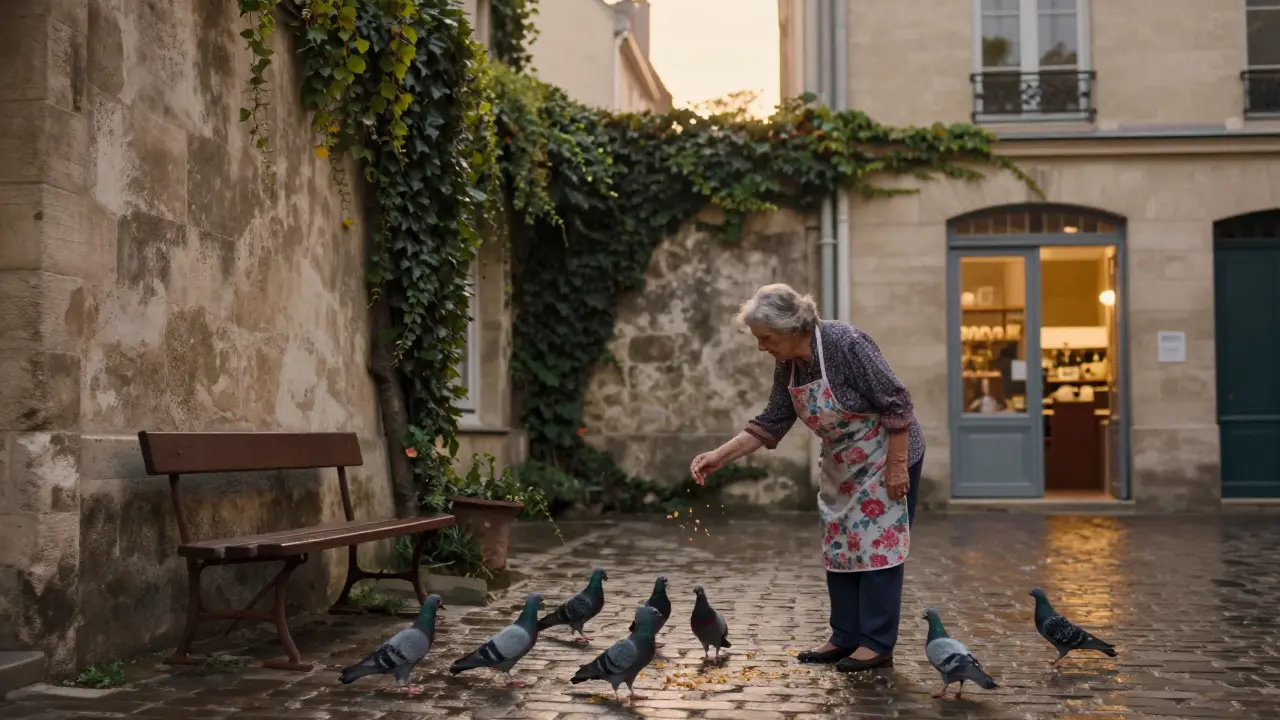
Most tourists walk the same paths in Paris-Eiffel Tower, Louvre, Montmartre-and leave thinking they’ve seen the city. But Paris isn’t just postcards and crowds. It’s quiet courtyards where old women feed pigeons, bakeries that haven’t changed their recipes since 1947, and alleyways where the scent of fresh baguettes mixes with damp stone. The real Paris doesn’t show up on Google Maps unless you know someone who lives there.
Why a Local Guide Changes Everything
Booking a tour with a local isn’t about skipping lines or getting VIP access. It’s about seeing the city the way people who grew up here do. A local guide doesn’t just point out landmarks-they tell you which boulangerie makes the best pain au chocolat before 8 a.m., where to find a hidden wine bar with no sign, or why the market on Rue Mouffetard feels like stepping into 1972.
One woman I met in the 5th arrondissement told me her grandmother used to buy cheese from the same vendor every Saturday for 60 years. That vendor? Still there. Still wrapping each wheel in wax paper. No sign. No website. Just a small stall tucked between a shoe repair shop and a laundromat. That’s the kind of thing you won’t find on TripAdvisor.
Le Marais After Dark
Le Marais is famous for its boutiques and LGBTQ+ history. But few visitors know about the tiny courtyard behind 54 Rue des Rosiers. There’s a metal gate, barely noticeable, that opens into a garden with a single tree, a stone bench, and a fountain that hasn’t worked since the 1990s. Locals sit there after work with a bottle of wine and talk about nothing. No phones. No photos. Just quiet.
On Thursday nights, the same neighborhood hides a secret supper club in a former synagogue. No website. No booking system. You get in by knowing someone-or being recommended by a local guide who’s been going for years. The food? Slow-cooked beef with prunes, homemade sourdough, and a red wine that costs less than a coffee in the U.S.
The Canal Saint-Martin Secret Spots
Everyone walks along the Canal Saint-Martin. But how many actually sit on the benches where locals do? The ones with cracked paint and no view of the water? Those are the good ones.
At the northern end, near the bridge on Rue de la Fontaine au Roi, there’s a small shop called La Maison du Thé a family-run tea shop that’s been selling loose-leaf blends since 1982. They don’t sell tea by the bag. You sit at a tiny table, and the owner pours you a cup from a ceramic pot, tells you the origin of the leaves, and asks how you like your mornings. It’s not a tourist trap-it’s a ritual.
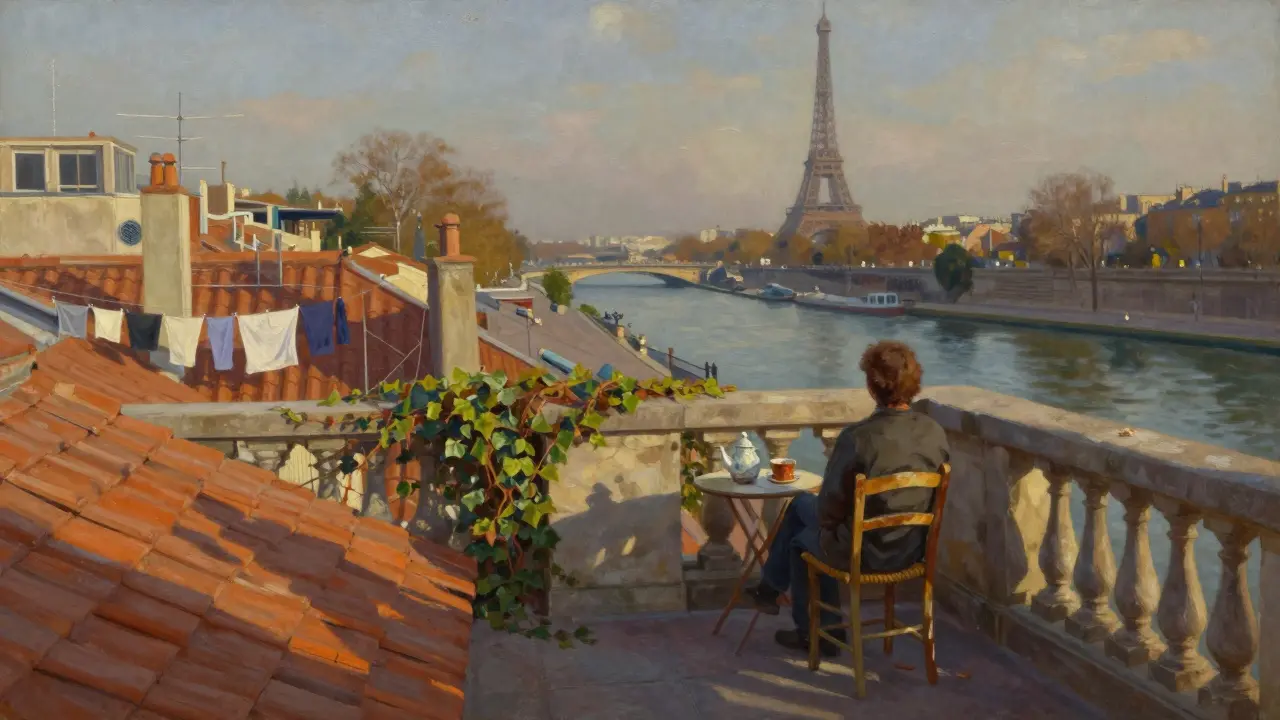
Behind the shop, a narrow staircase leads to a rooftop terrace no one knows about. From there, you can see the entire canal, the rooftops of Belleville, and the distant Eiffel Tower-all without another soul around.
Paris’s Forgotten Cemeteries
Most people think Père Lachaise is the only interesting cemetery in Paris. It’s not. Walk 15 minutes west to Cimetière de Montparnasse a quieter, more intimate burial ground with sculpted angels and poets buried under ivy. The graves of Samuel Beckett and Jean-Paul Sartre are here, but so are the unmarked stones of immigrants who worked in the factories and never spoke French.
On a Tuesday morning, an old man comes with a bucket of water and a cloth. He wipes down the names on 12 graves every week. He doesn’t know who they were. He just believes the dead deserve to be remembered. You can sit beside him. He’ll nod. You’ll sit. No words needed.
Where the Artists Still Live
Montmartre used to be where painters lived. Now it’s where street artists sell postcards of Picasso. But head down Rue Cortot, past the souvenir shops, and you’ll find the Maison de l’Art Nouveau a restored 1900s artist’s studio where live painting sessions still happen. On weekends, local artists paint portraits for €15. No one takes photos. No one haggles. You just wait your turn.
One painter, Marie, has been doing this for 28 years. She doesn’t speak English. You sit on a wooden chair, she sketches you in charcoal, and when she’s done, she hands you the drawing and says, “C’est toi.” That’s you. No signature. No frame. Just a moment captured.
The Market That Doesn’t Want Tourists
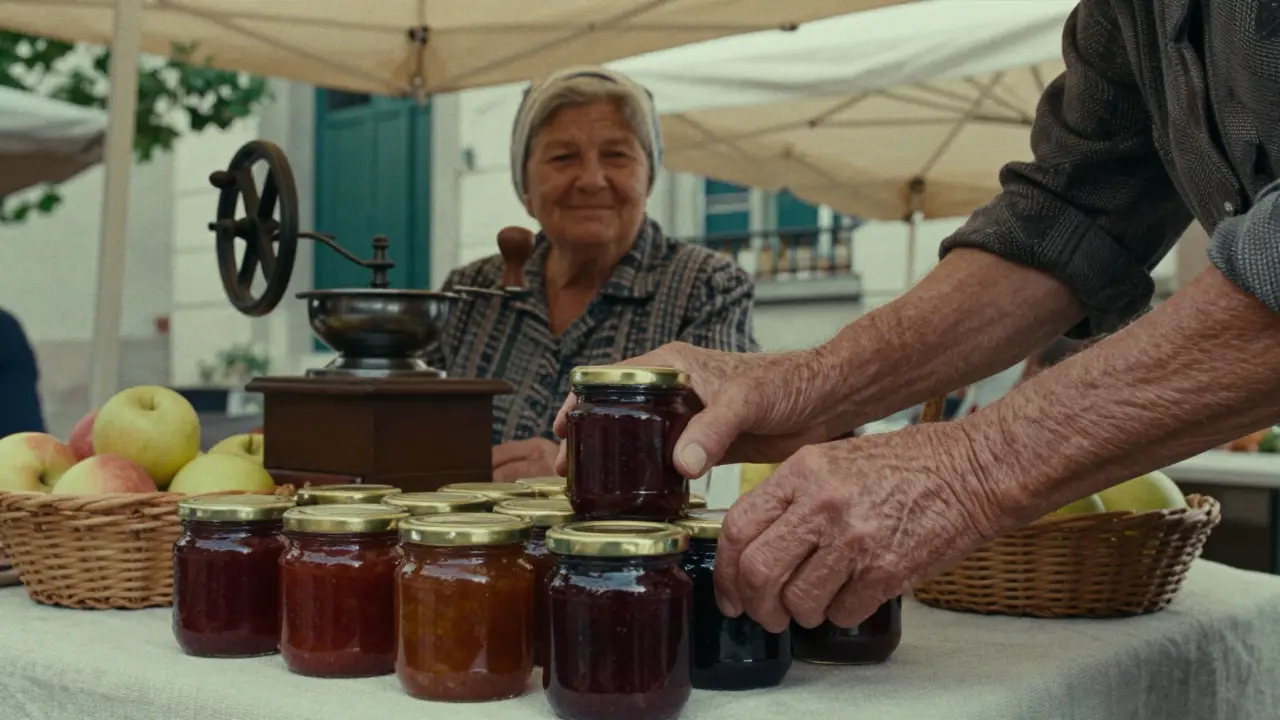
Rue de la Roquette has a market that opens every Sunday morning. It’s not on any travel blog. You’ll find elderly women selling homemade jam from jars they’ve reused for decades. A man who grinds his own coffee beans on a hand-cranked mill. A woman who bakes galettes with buckwheat flour she gets from Normandy.
They don’t have signs. They don’t take cards. You pay in cash. You talk to them. You learn how to tell if the jam is made with real fruit or syrup. You learn that the best apples in Paris come from a farm 90 minutes outside the city, and the vendor only sells them on the first Sunday of the month.
How to Find the Right Local Guide
Not every guide who says “local” is actually from here. Some are students, some are ex-tour guides, some are just good at memorizing facts. The real ones? They’ve lived here longer than you’ve been alive. They know which boulangerie closes at 2 p.m. on Tuesdays. They know where the police don’t patrol after dark. They know which metro station has the worst smell in winter.
Look for guides who don’t have glossy websites. Who don’t use stock photos. Who list their neighborhood, not just “Paris.” Ask them: “What’s your favorite place to eat on a rainy Sunday?” If they hesitate, keep looking.
One guide I met, Claire, grew up in the 13th arrondissement. Her mother worked at the market on Avenue d’Italie. Claire still goes there every Saturday to buy fish from the same vendor. She doesn’t charge extra for showing you her neighborhood. She just wants you to taste the real Paris.
What to Expect-and What Not to Expect
Don’t expect a private tour with champagne and limos. Don’t expect to be taken to Michelin-starred restaurants. You’re not paying for luxury. You’re paying for access. Access to places that don’t advertise. Access to people who don’t care about reviews. Access to moments that don’t last long.
The best part? You won’t remember the Eiffel Tower. You’ll remember the old man who handed you a warm croissant because he saw you shivering. You’ll remember the sound of a violin playing in a courtyard at dusk. You’ll remember the smell of wet cobblestones after rain, and the way the light hits the windows of a 17th-century building when the sun sets just right.
That’s not tourism. That’s connection.
Is it safe to hire a local guide in Paris?
Yes, if you take basic precautions. Look for guides recommended by trusted local blogs, expat groups, or word-of-mouth. Avoid anyone who approaches you on the street. Reputable guides have a clear profile, mention their neighborhood, and don’t pressure you into bookings. Many are certified through local tourism associations.
How much should I pay a local guide in Paris?
Most local guides charge between €50 and €100 for a 3- to 4-hour walk. Some work on a tip basis. If you’re happy with the experience, adding 10-20% is common. Avoid guides who demand upfront payment without any details. The best ones are transparent about what’s included-usually just their time, knowledge, and a few insider tips.
Can I find local guides without using an agency?
Absolutely. Many locals offer tours through community boards, Facebook groups like “Paris Expats & Locals,” or even at neighborhood cafés. Ask for recommendations at small bookshops, independent bakeries, or art galleries. The most authentic guides often don’t advertise-they just show up.
Do I need to speak French to use a local guide?
No, most local guides speak English well. But learning a few basic phrases-“Bonjour,” “Merci,” “Où est la boulangerie?”-goes a long way. Many guides appreciate the effort. It shows you’re there to connect, not just to take photos.
What’s the best time of year to explore Paris with a local?
Spring (April-June) and fall (September-October) are ideal. The weather is mild, the crowds are thinner, and locals are more relaxed. Avoid August-most Parisians leave the city, and many small shops close. Winter can be magical, especially around Christmas markets, but be ready for rain and cold.